
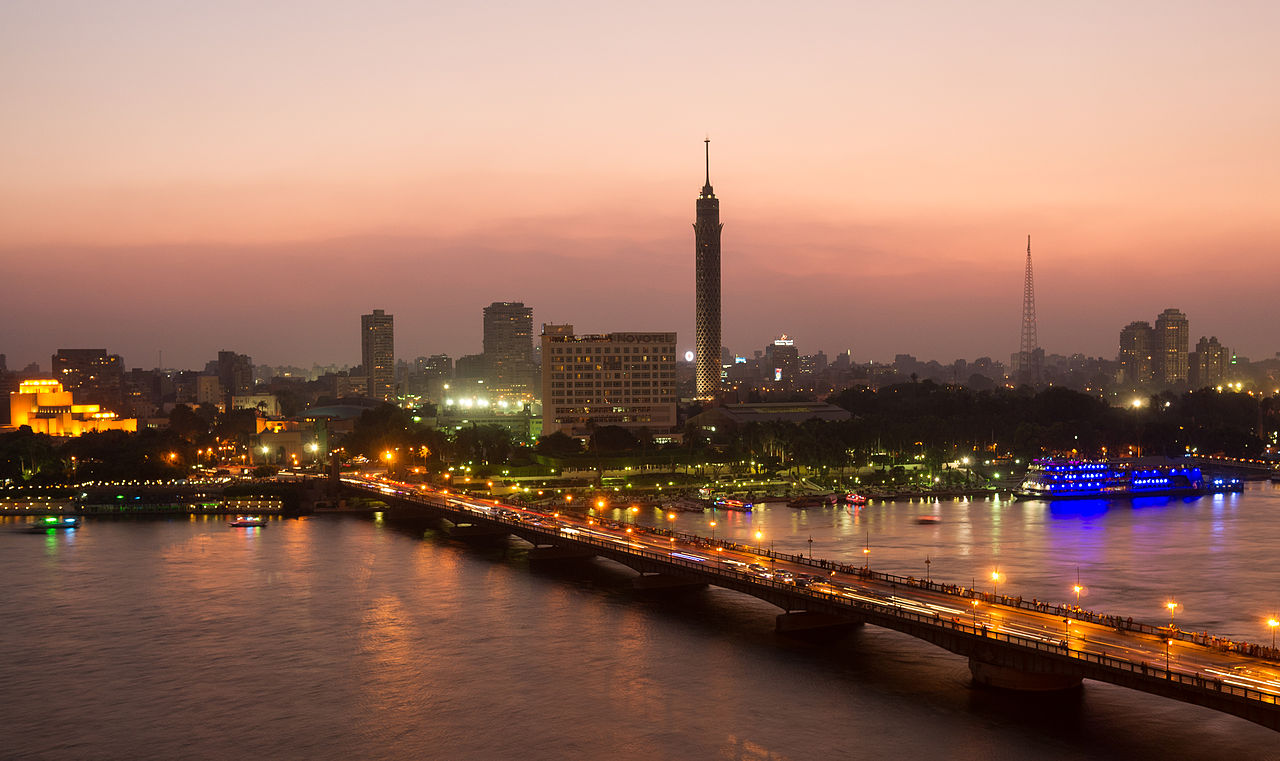
Cairo is a city where the past and present exist side by side. Ancient monuments, medieval mosques, traditional markets, modern cafés, busy streets and quiet Nile views all form part of the same enormous urban landscape.
For travelers visiting Egypt, Cairo is much more than a gateway to the pyramids. The capital offers a chance to experience different layers of Egyptian history while also seeing how millions of people live, work, eat and socialize today.
The city grew around the Nile, a river that has shaped settlement, agriculture, transportation and daily life for thousands of years. Today, the river remains one of Cairo’s defining features. Feluccas move across the water, cafés and restaurants line parts of the riverbanks, and residents gather there to escape the intensity of the streets.
At the same time, Cairo contains one of the world’s most important historic urban areas. Historic Cairo is a UNESCO World Heritage Site, preserving an extraordinary combination of mosques, religious schools, traditional houses, markets, monuments and historic streets.
Yet Cairo is not a city frozen in history.
Downtown streets, Zamalek, modern shopping areas, contemporary restaurants and expanding neighborhoods show another side of the capital. This mixture is what makes Cairo such a fascinating destination.
Cairo and the Nile – The River at the Heart of the City
The Nile is inseparable from Cairo.
For centuries, the river has influenced where people settled, how goods moved and how communities developed. Historic Cairo itself was shaped by its strategic location close to the Nile and the surrounding landscape. The old southern port of Fustat, for example, was closely connected with river-based trade.
Today, the Nile remains part of everyday life.
Walk along the river and you may see people meeting friends, couples enjoying an evening together, families spending time outdoors and traditional feluccas sailing across the water.
The atmosphere changes throughout the day.
Early morning can feel relatively calm. During the afternoon, traffic and city activity dominate the landscape. In the evening, the river becomes a popular place for walks, dining and relaxation.
A Nile experience does not necessarily have to be complicated. Sometimes simply sitting beside the river with a drink and watching Cairo move around you is enough.
Felucca Rides on the Nile
A felucca is a traditional Egyptian sailing boat.
A short ride can provide a different perspective on Cairo. Instead of seeing the city from a crowded street, you can watch its skyline from the river.
The experience is particularly atmospheric around sunset, when the light changes and the city’s buildings begin to glow.
The Nile also helps explain why Cairo feels so different from the desert landscapes found elsewhere in Egypt. The river creates a green corridor through an otherwise largely arid environment.
Historic Cairo – A City Within the City
Historic Cairo is one of the most important parts of the capital for travelers interested in architecture and history.
UNESCO describes the area as one of the world’s oldest Islamic cities, with a remarkable concentration of mosques, madrasas, hammams, fountains, markets and historic urban spaces. Its development stretches across more than a thousand years and includes Fatimid, Ayyubid, Mamluk, Ottoman and later layers.
The best way to understand this area is not simply to visit individual monuments.
Walk through it.
The streets themselves tell part of the story.
Traditional workshops, small shops, historic façades, religious buildings and residential areas can appear within a very short distance of each other.
This is one reason Historic Cairo feels different from a conventional archaeological site.
It is not simply a collection of ruins.
It is an urban environment where history and everyday life continue to overlap.
Al-Muizz Street – Walking Through Islamic Cairo
Al-Muizz Street is one of the most famous historic streets in Cairo.
The street forms part of the UNESCO-listed Historic Cairo area and contains an exceptional concentration of Islamic architecture. It extends between Bab al-Futuh and Bab Zuweila, passing close to Khan al-Khalili.
Walking along Al-Muizz allows visitors to see architecture from different periods.
Mosques, historic houses, schools, caravanserais and decorative façades create a remarkable sequence of buildings.
At the same time, the street remains connected to commercial life.
Craftspeople, shops and traditional cafés contribute to its atmosphere.
This combination is important because Historic Cairo’s value is not limited to individual monuments. UNESCO notes that historic streets, markets, crafts and traditional urban activities are part of the area’s cultural character.
The Mosques of Cairo
Cairo is sometimes associated with the nickname “City of a Thousand Minarets.”
While the phrase is descriptive rather than a precise count, it reflects the enormous number of historic mosques and Islamic monuments found across the city.
Several are particularly important for visitors.
Al-Azhar Mosque
Al-Azhar is one of Cairo’s most famous religious and educational institutions.
UNESCO notes that Al-Azhar was founded in 970 AD and became an important theological and academic center in the Islamic world.
Its history is therefore much larger than the architecture visible to visitors.
The institution represents centuries of scholarship, religious education and intellectual life.
Ibn Tulun Mosque
Ibn Tulun Mosque dates to the ninth century and is famous for its large courtyard, distinctive arches and spiral minaret.
Experience Egypt identifies the mosque as one of Cairo’s major Islamic heritage sites.
Its spacious design provides a different experience from the dense streets outside.
Sultan Hassan Mosque
The Mosque and Madrasa of Sultan Hasan is one of the most impressive Mamluk monuments in Cairo.
Built in the fourteenth century, its scale and architectural details demonstrate the ambitions of Mamluk Cairo. Experience Egypt describes it as one of Egypt’s largest and most architecturally significant mosques.
Muhammad Ali Mosque
Inside the Citadel stands the famous Muhammad Ali Mosque.
Its large domes and prominent minarets have become an important part of Cairo’s skyline.
The mosque belongs to a later chapter of Egyptian history and demonstrates how Cairo’s architecture continued evolving after the medieval period.
The Citadel of Cairo
The Citadel is another essential stop for understanding Cairo’s history.
The fortress was established during the Ayyubid period and later became a major center of government. UNESCO identifies the Citadel as part of the historic development of Cairo and its medieval political landscape.
The location also provides impressive views across parts of the city.
From the Citadel, visitors can appreciate something that is easy to miss while walking through crowded streets: the enormous scale of Cairo.
Historic buildings, modern apartment blocks, roads and distant urban districts all stretch across the horizon.
It is a useful reminder that the ancient and medieval city is now part of a much larger modern metropolis.
Khan el-Khalili – Cairo’s Famous Market
Few places represent traditional Cairo as vividly as Khan el-Khalili.
The historic bazaar is filled with narrow lanes, small shops, crafts, jewelry, lanterns, spices, souvenirs and traditional cafés. Experience Egypt describes it as an iconic medieval bazaar with a dense network of shops and alleys.
The market is not simply a place to buy souvenirs.
It is also a place to experience the rhythm of commercial Cairo.
You may hear conversations between shopkeepers and customers, see crafts being displayed, smell spices and coffee, and watch people move through the narrow streets.
Shopping here can be part of the cultural experience.
Take your time, compare products and ask questions before purchasing something.
If you are buying handmade items, it can also be interesting to learn how they are produced.
Traditional Cafés and Egyptian Coffee Culture
Cafés are an important part of Cairo’s social life.
In historic neighborhoods, traditional cafés provide places where people sit, talk, drink tea or coffee and watch the street.
One of the pleasures of Cairo is discovering that a café does not need to be luxurious to be memorable.
A simple table on a busy street can provide a better sense of everyday life than a formal tourist attraction.
Mint tea, Arabic coffee and other drinks are often enjoyed slowly.
In a city as busy as Cairo, the café can become a small pause in the middle of the noise.
Museums – Discovering Egypt Beyond the Pyramids
Cairo is home to several museums that help visitors understand different periods of Egyptian history.
The Egyptian Museum
The Egyptian Museum in central Cairo is one of the city’s best-known cultural institutions.
Its collections provide an opportunity to explore ancient Egyptian civilization through statues, objects, jewelry, funerary material and other archaeological discoveries.
For first-time visitors, the museum can provide important context before or after visiting the pyramids.
Seeing objects inside a museum also changes the way you understand the monuments outside.
Instead of seeing the pyramids as isolated structures, you begin to understand them as part of a much larger civilization.
National Museum of Egyptian Civilization
The National Museum of Egyptian Civilization, located in Fustat, presents Egyptian history across a much broader timeline.
Experience Egypt describes it as a museum covering Egyptian civilization from prehistory through modern times, with the Royal Mummies’ Hall among its major attractions.
This makes the museum particularly useful for travelers who want to understand Egypt as a continuous civilization rather than focusing exclusively on the pharaonic period.
The Coptic Museum
The Coptic Museum provides another important perspective.
Located in Old Cairo, it presents Coptic art and heritage through manuscripts, woodwork, paintings and other objects.
The collection demonstrates how Egyptian Christian culture developed through interaction with different historical influences. Experience Egypt notes connections between Coptic art and ancient Egyptian, Greek, Roman, Byzantine and Islamic traditions.
Coptic Cairo – Another Layer of the City
Cairo’s history cannot be understood through Islamic architecture alone.
Old Cairo contains important Christian heritage sites, including the Hanging Church and other churches associated with the historic Coptic community.
The Hanging Church is built above the remains of a Roman fortress and contains important religious artwork and architectural features.
Nearby, the Church of Saints Sergius and Bacchus is associated with traditions concerning the Holy Family’s journey through Egypt.
Walking through Coptic Cairo therefore introduces visitors to another important chapter in the country’s religious and cultural history.
Modern Cairo – Beyond the Historic Center
After exploring Historic Cairo, the contrast with modern districts can be striking.
Modern Cairo contains business areas, residential neighborhoods, restaurants, shopping centers, art spaces, cafés and entertainment venues.
The city is constantly changing.
This is one reason Cairo should not be treated as a museum.
Millions of residents use its streets every day.
People commute to work, students travel to universities, families go shopping, friends meet in cafés and restaurants stay busy late into the evening.
For visitors, observing these ordinary routines can be just as interesting as visiting monuments.
Downtown Cairo – The City’s Modern Urban Character
Downtown Cairo, known locally as Wust al-Balad, offers a completely different architectural atmosphere from medieval Cairo.
The district developed with European-influenced architecture during the nineteenth and early twentieth centuries. Today, its streets combine historic façades with shops, cafés, restaurants and everyday city activity.
Walking through Downtown can reveal another chapter of Cairo’s development.
Historic buildings stand alongside modern businesses.
Busy roads intersect with pedestrian streets.
Street vendors operate near cafés and formal restaurants.
This mixture creates the energetic atmosphere for which Cairo is known.
Zamalek – An Island Between Different Worlds
Zamalek occupies part of Gezira Island in the Nile.
It is known for leafy streets, restaurants, cafés, cultural venues and a more relaxed atmosphere than some of the busiest central districts.
Experience Egypt highlights Zamalek’s Cairo Tower, Opera House, Aquarium Grotto Garden and other attractions.
The district is particularly interesting for travelers who want to experience contemporary Cairo.
You can spend part of the day visiting cultural attractions and then stop at a café or restaurant.
Zamalek also provides opportunities to see how Cairo’s relationship with the Nile continues to shape modern urban life.
Cairo Tower and City Views
The Cairo Tower is one of the recognizable landmarks of modern Cairo.
Standing on Gezira Island, it provides elevated views over the city and the Nile. Experience Egypt lists the tower at 187 meters and highlights its panoramic views.
A city view from above can help put the different districts into perspective.
The Nile cuts through the urban landscape.
Green areas appear beside dense neighborhoods.
Historic districts sit not far from modern buildings.
The city seems to stretch endlessly toward the horizon.
Egyptian Food – A Major Part of the Cairo Experience
You cannot fully experience Cairo without trying local food.
Egyptian cuisine is diverse, filling and closely connected to everyday life.
Some dishes visitors may encounter include:
- koshari,
- ful medames,
- ta’ameya,
- mahshi,
- molokhia,
- grilled meats,
- falafel,
- Egyptian bread,
- stuffed vegetables,
- sweet pastries and desserts.
Koshari
Koshari is one of Egypt’s best-known casual dishes.
It combines ingredients such as rice, pasta, lentils, chickpeas, tomato sauce and fried onions.
The combination may sound unusual if you have never tried it, but it is one of the most recognizable examples of Egyptian comfort food.
Ful Medames
Ful is a traditional dish made from cooked fava beans.
It is commonly eaten for breakfast and can be served with bread, vegetables and various seasonings.
For travelers interested in everyday Egyptian life, a simple breakfast of ful can be more revealing than an elaborate restaurant meal.
Ta’ameya
Egyptian ta’ameya is often compared with falafel, but the traditional Egyptian version is made primarily with fava beans rather than chickpeas.
It is commonly eaten in sandwiches or alongside other breakfast foods.
Eating in Cairo – From Street Food to Restaurants
Cairo offers many different dining experiences.
You can eat a quick meal from a casual local restaurant, stop at a traditional café or choose a more modern restaurant overlooking the Nile.
The choice depends on what kind of experience you want.
Street food can provide a direct connection to everyday life, while modern restaurants demonstrate how Cairo’s food culture continues to evolve.
If you are trying unfamiliar food, start with a small portion and choose places that appear busy and well maintained.
Everyday Life in Cairo
One of the biggest mistakes travelers can make is seeing Cairo only through its monuments.
The city’s real character also exists between the attractions.
It is found in the morning rush.
It is heard in conversations on the street.
It appears in small bakeries, neighborhood shops and cafés.
It can be seen in families shopping together and workers commuting across the city.
Cairo is loud, crowded and energetic in many places, but it can also be surprisingly peaceful in a quiet courtyard, garden or café.
This contrast is part of its personality.
Why Cairo Feels So Different From Other Egyptian Destinations
Egypt’s tourist destinations offer very different experiences.
Hurghada is closely associated with the Red Sea, beaches, reefs and marine activities.
Luxor is strongly connected with ancient temples and the history of Thebes.
Cairo combines many different layers in one enormous metropolitan area.
Here, ancient history, medieval architecture, Islamic scholarship, Coptic heritage, nineteenth-century urban planning and modern Egyptian life all meet.
That is why a Cairo visit can feel intense.
There is always another neighborhood, museum, street or viewpoint to explore.
Cairo for First-Time Visitors
If this is your first visit, avoid trying to see everything in one day.
A more realistic plan could combine several areas.
Morning
Begin with a major historical attraction or museum.
Midday
Take a break for lunch and escape the strongest heat when necessary.
Afternoon
Explore Historic Cairo, Al-Muizz Street or Khan el-Khalili.
Evening
Finish beside the Nile, in Downtown Cairo or in another district with restaurants and cafés.
The exact order should depend on opening hours, traffic and the time of year.
Cairo traffic can significantly affect travel time, so leaving some flexibility in the schedule is useful.
A Possible Two-Day Cairo Experience
If you have more time, two days allow a better balance.
Day One – Ancient and Historic Cairo
Visit a major ancient-history site in the morning.
Continue with a museum before exploring part of Historic Cairo.
In the evening, walk through Khan el-Khalili and enjoy a traditional café.
Day Two – Modern Cairo
Start around Downtown or Zamalek.
Explore museums, galleries or architectural landmarks.
Have lunch in a local restaurant.
Then spend some time beside the Nile before enjoying dinner.
This type of itinerary gives you a more complete picture of the city.
Visiting Cairo From Hurghada
Many travelers staying in Hurghada choose to visit Cairo as a day trip.
The distance means that the journey requires planning, especially if you want to visit several attractions.
A well-organized excursion can help coordinate transportation and sightseeing.
When comparing options, check exactly what is included in the program, how long you will spend in Cairo, which attractions are included and whether entrance fees, meals and guide services are covered.
Travelers staying in Hurghada can also explore Cairo excursion options from Best Tours Hurghada when planning their trip.
The key is to choose an itinerary that matches your available time.
Trying to fit every major attraction into one rushed day can make the experience exhausting.
How to Experience Cairo More Like a Local
You do not need to imitate local life to experience it.
Instead, observe respectfully.
Visit a neighborhood café.
Try traditional food.
Walk through a market.
Use a short Nile boat ride to see the city from the water.
Spend time in a public garden.
Watch the rhythm of a neighborhood street.
These simple experiences can add context to the major monuments.
A city is more than its attractions.
Cairo becomes much easier to understand when you allow yourself to notice the ordinary moments between the famous sights.
Practical Tips for Exploring Cairo
Dress comfortably
Choose clothing appropriate for the weather and the places you plan to visit. Religious sites may have additional clothing expectations.
Wear comfortable shoes
Historic districts are best explored on foot, and streets can be uneven.
Carry water
Cairo can be hot, especially during warmer months.
Plan around traffic
Travel times can vary considerably.
Start early
Early starts can make major attractions more comfortable and leave more time later in the day.
Take breaks
Cairo can be overwhelming if you try to explore continuously.
A café or restaurant break is part of the experience.
Respect religious sites
Follow instructions about photography, clothing and where visitors may enter.
Keep an open mind
Cairo is energetic and sometimes chaotic.
That is part of its urban character.
Cairo and Responsible Tourism
Historic Cairo is not simply an archaeological zone. It is a living urban environment.
UNESCO notes that the historic area faces pressures related to population density, traffic, infrastructure, environmental changes and development, while conservation and urban rehabilitation projects continue.
Travelers can contribute positively by respecting residents and historic buildings.
Avoid climbing on monuments.
Do not remove objects or fragments.
Follow photography rules.
Support legitimate local businesses and craftspeople.
Keep streets and historic areas clean.
Most importantly, remember that people live and work in many of the neighborhoods visitors explore.
A respectful traveler observes without treating everyday life as a performance.
What Makes Cairo Unforgettable?
Perhaps the answer is not one monument.
It is the combination.
You can spend the morning thinking about pharaohs and the ancient Nile civilization, the afternoon walking beside medieval mosques and historic markets, and the evening watching modern Cairo from the river.
Within a single day, the city can move between centuries.
That is Cairo’s defining character.
The ancient world is present, but it does not exist separately from the modern city.
It lives beside traffic, cafés, smartphones, restaurants, universities, businesses and residential neighborhoods.
Frequently Asked Questions About Cairo
What is Cairo famous for?
Cairo is famous for its connection to ancient Egyptian history, its proximity to the Giza pyramids, the Nile, Historic Cairo, Islamic architecture, museums and vibrant markets. The city is also an important modern cultural and economic center in Egypt and the wider region.
Is Cairo only about ancient Egyptian history?
No. Ancient history is an important part of the experience, but Cairo also offers medieval Islamic architecture, Coptic heritage, nineteenth-century neighborhoods, museums, modern districts, restaurants, cafés and contemporary cultural life.
What should I see in Historic Cairo?
Important areas include Al-Muizz Street, Khan el-Khalili, Al-Azhar, Ibn Tulun Mosque, Sultan Hassan Mosque, the Citadel and parts of Old Cairo. Historic Cairo contains a much larger collection of monuments and historic neighborhoods, so choosing a smaller area for a walking tour can be more enjoyable.
Is Khan el-Khalili worth visiting?
Khan el-Khalili is one of Cairo’s best-known historic markets and offers an opportunity to browse traditional crafts, jewelry, lanterns, spices, souvenirs and other goods. It is also valuable for experiencing the atmosphere of the historic city rather than simply shopping.
What food should I try in Cairo?
Koshari, ful medames and Egyptian ta’ameya are good starting points. You can also try grilled dishes, mahshi, molokhia, traditional bread and Egyptian desserts.
Is a Nile cruise necessary to experience the river?
No. A cruise is one option, but you can also enjoy the Nile from its banks, restaurants, cafés or a short felucca ride. The best choice depends on your available time and preferred style of travel.
Can I visit Cairo from Hurghada?
Yes. Cairo can be visited from Hurghada through organized excursions or independently, although the journey requires considerable travel time. For a day trip, a well-planned itinerary is particularly important because Cairo itself is a huge metropolitan area.
How many days should I spend in Cairo?
One day can provide an introduction, but two or more days allow a more relaxed combination of museums, Historic Cairo, markets, the Nile and modern neighborhoods. The ideal length depends on whether you also plan to visit Giza, Saqqara or other sites outside central Cairo.
Conclusion – Cairo Is More Than a Historic Destination
Cairo is a city where history does not stay behind museum glass.
The Nile still shapes the city’s rhythm. Historic mosques continue to dominate old neighborhoods. Markets remain busy. Cafés provide places for conversation. Museums preserve objects from thousands of years of Egyptian history, while modern districts continue to grow and change.
Historic Cairo demonstrates the depth of the city’s architectural and cultural heritage, while Downtown, Zamalek and other contemporary districts show how modern Egyptians live within this enormous urban environment.
That is what makes Cairo different from a destination built around a single attraction.
It is not just a place to see.
It is a city to experience.
Walk through its historic streets. Look across the Nile. Visit its museums. Enter its mosques and churches where permitted. Taste local food. Explore its markets. Sit in a café and watch the city move around you.
And when you leave, you may realize that the most memorable part of Cairo was not simply seeing the ancient past.
It was seeing how that past continues to exist alongside modern Egyptian life.
For travelers arriving from Hurghada, planning the journey carefully can make it easier to experience this contrast without rushing. Best Tours Hurghada can be naturally considered when comparing organized Cairo excursions and deciding how to fit the capital into an Egypt holiday.